It’s a Non Profit Organaigation & we make Sure to help our underprivillage peaple
Amzad Bhabon, House No-2/1, Road No-01, Adabor, Dhaka.
Most people think it’s just “being easily distracted.”
But ADHD is a complex neurological condition—and it comes with strengths most people never talk about.
Here are 8 truths about ADHD everyone should know:
1. It’s not a lack of attention—it’s a dysregulation of it.
People with ADHD can hyperfocus for hours on what they love—and totally ignore everything else. It’s not about laziness, it’s about control.
2. It’s not just a childhood thing.
ADHD often continues into adulthood. The symptoms just shift:
→ Less bouncing off the walls
→ More mental chaos, disorganization, and overwhelm
Many adults live undiagnosed for years.
3. ADHD brains are wired for novelty and stimulation.
Routine can feel unbearable—but these brains thrive in:
→ High-pressure environments
→ Creative problem solving
→ Fast feedback loops
In the right setting, ADHD becomes a superpower.
4. Rejection Sensitivity is real.
ADHD often includes RSD—Rejection Sensitive Dysphoria.
Criticism or perceived failure can feel crushing.
It’s emotional pain that gets misdiagnosed as mood disorders.
5. Many ADHDers are natural entrepreneurs.
They’re:
→ Big-picture thinkers
→ Risk-takers
→ Unafraid of uncertainty
They struggle with rigid systems—but thrive when creating their own.
6. Executive function is the real challenge.
ADHD affects the brain’s ability to:
→ Plan
→ Prioritize
→ Start/finish tasks
It’s not about intelligence—it’s about activation.
7. Movement helps focus.
→ Pacing
→ Fidgeting
→ Walking while thinking
These aren’t distractions—they’re coping tools.
Even cardio can boost focus and mood.
8. Structure = freedom.
Yes, really.
→ Lists
→ Calendars
→ Visual reminders
These tools reduce overwhelm and build momentum.
Structure doesn’t box ADHDers in—it frees them.
ADHD isn’t a flaw.
It’s a different operating system.
Understand it. Support it. Harness it.
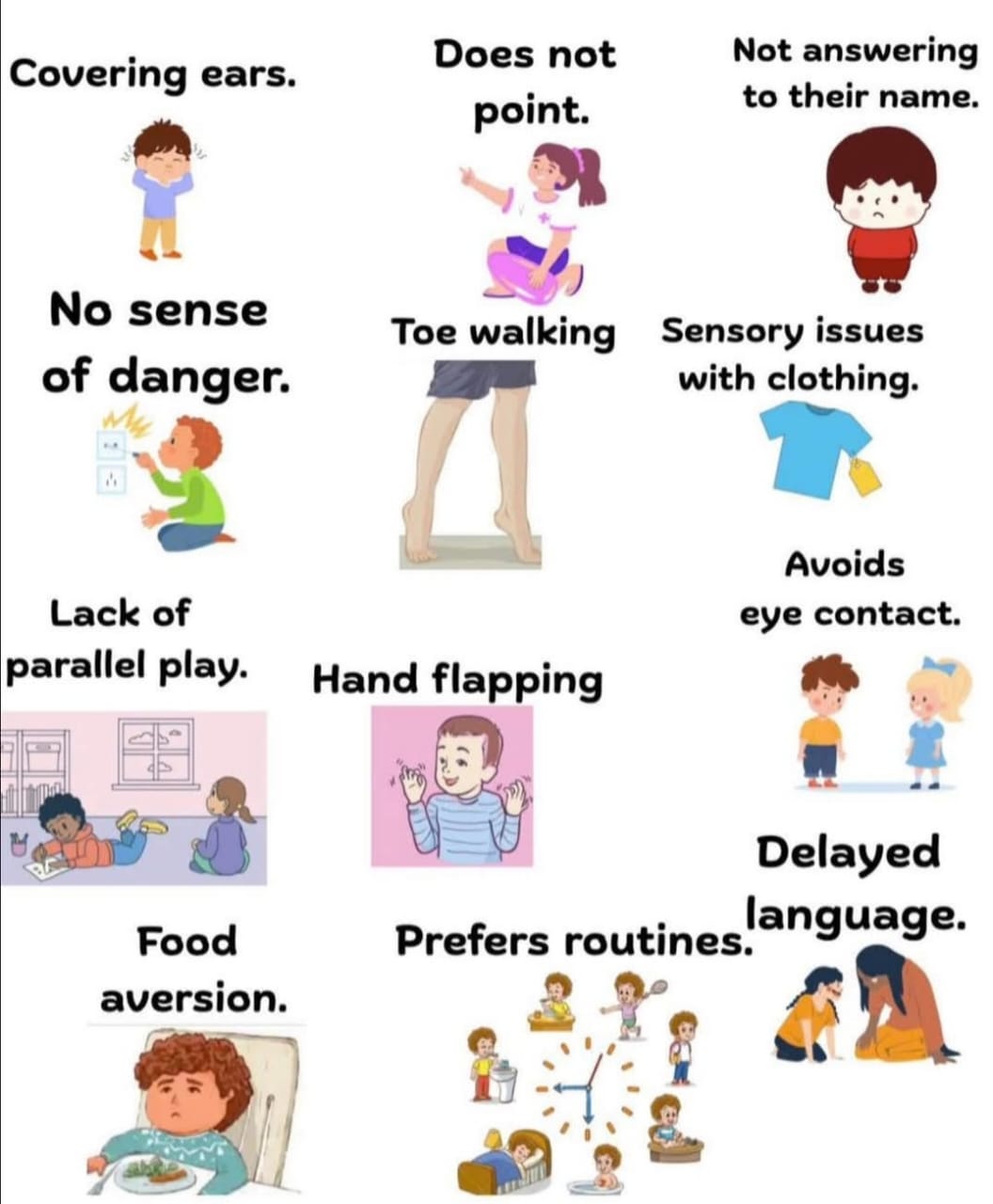
Many parents get confused when they see overlapping behaviours—
restlessness, overwhelm, sensory issues, meltdowns, difficulty focusing and
aren’t sure whether it’s ADHD, Autism, or both (AuDHD).
The truth is: these conditions can look similar from the outside,
But inside your child’s mind, they feel very different.
ADHD is a condition that causes the brain to function at a faster pace, jumping
between thoughts, ideas, and movements.
Autism is a sensitive brain that needs clarity, predictability and emotional
safety.
AuDHD is when a child has both a brain that moves quickly and feels deeply.
That’s why some children seem energetic one moment and overwhelmed the
next.
It’s not drama. It’s not misbehaviour.
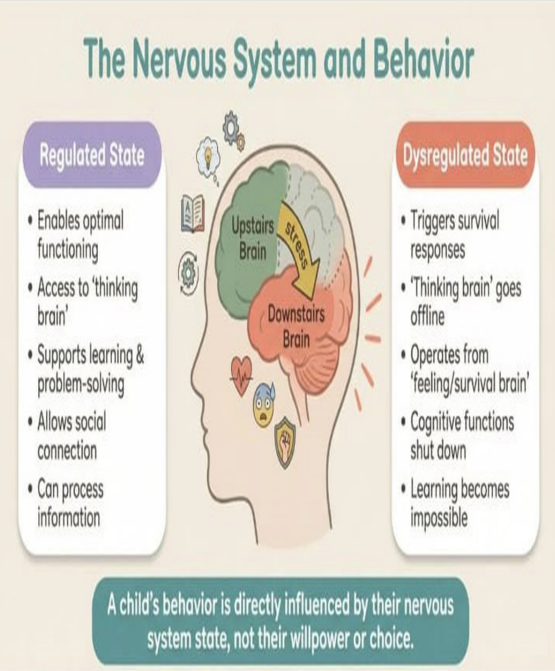
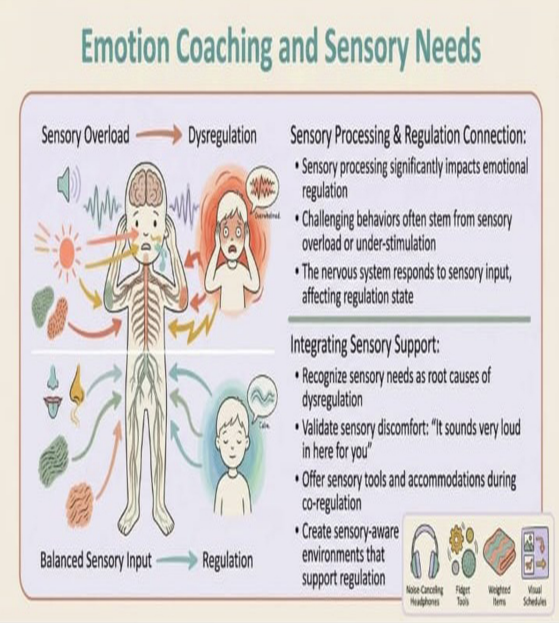
It’s their nervous system trying to make sense of the world.
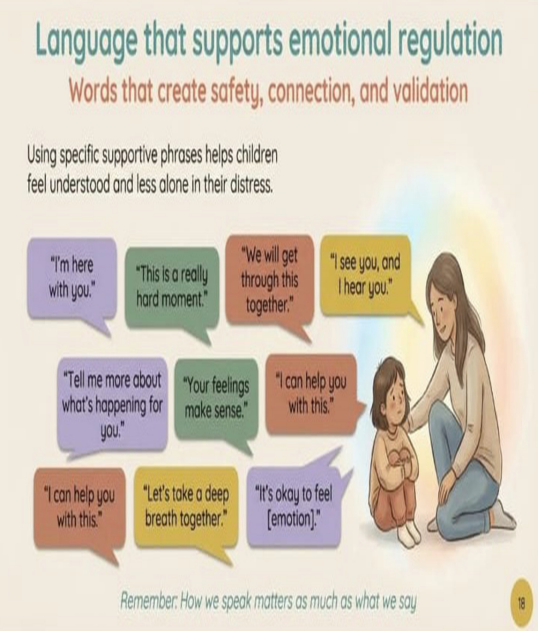
Understanding these differences is the first step. It lets parents respond with
patience, support, and connection—instead of pressure, scolding, or
confusion.
If your child shows signs from all three categories, early guidance can bring
clarity and make everyday life calmer for both of you.
( ADHD, Autism, AuDHD, kids with autism, kids with ADHD, kids with AuDHD,
child development, Asha hai, best therapy centre in Delhi)
The Learning Curve is an autism centre in Kuala Lumpur that provides early intervention, and therapy for autism, ADHD, speech impediments, and others. Kickstart your children’s full potential and excellence!
Early Intervention & Autism Centre
Unmatched ExpertiseWe provide 1 to 1 Applied Behaviour Analysis (ABA) Therapy Services exclusively delivered by licensed professionals.
Here at TLC, we train parents and caregivers on how to effectively transfer the progress into every aspect of your child’s life – and that starts from home!
Our evidence-based autism & special needs centre in Kuala Lumpur specializes in customized programs designed to address your child’s unique needs and developmental goals.
Transparent Communication
Through regular assessments and daily progress updates, we keep parents in the loop on your child’s progress every step of the way.
At our practice, we take a comprehensive, evidence-based approach to supporting children with communication, sensory, and motor needs especially those on the autism spectrum.
Speech-Language Therapy integrating ABA Principles
Our speech-language therapy integrates principles of Applied Behavior Analysis (ABA), which have been shown to be one of the most effective interventions for children with autism. By integrating ABA strategies into our therapy sessions, we:
Occupational Therapy for Holistic Support
We also provide Occupational Therapy to address the child’s sensory processing, fine motor, and self-regulation needs—which often impact a child’s ability to engage effectively in
communication and learning.
Our occupational therapists collaborate closely with the speech and ABA teams to ensure consistency and support across all areas of development. Goals may include:
Why This Combination Works
By combining Speech-Language Therapy, ABA principles, and Occupational Therapy, we support the whole child—not just isolated skills. This integrated model creates a stronger foundation for meaningful, lasting progress across all areas of development.
What is Speech Therapy?
Speech-language pathology is the scientific study of speech, fluency, feeding and swallowing, and all the mechanisms of speech and language, along with the therapeutic application of corrective and augmentative measures to help people with speech disorders speak and communicate better.
What is ABA (Applied Behaviour Analysis) Therapy?
ABA is a Science of Learning. It focuses on improving socially appropriate behaviour. It is the basis for type of therapy focusing on improving: Social Skills, Communication, Fine Motor Dexterity. It helps in developing skills that are lacking at an early age. And uses positive reinforcement to increase positive behaviours. We use principles of this science to get astounding results.
So why Integrated Therapy?
Our Speech-Language Pathologists (SLPs) are trained in using behavioral principles, allowing them to address communication not just as a skill, but as part of a child’s overall learning process. This combination leads to more meaningful outcomes, measurable progress, and better generalization of skills.
Each child receives a goal-oriented, personalized program designed to meet their unique needs—whether it’s communication, sensory regulation, feeding, or learning.
In simple terms, it’s multiple therapies working together as one powerful, unified approach.
Our qualified SLPs, provide an Integrated Speech Therapy along with ABA principles and a lot of heart at our Centre.
This structured yet flexible approach helps children build foundational communication skills, including speech clarity, receptive and expressive language, social communication, and more.
Stanford scientists have made what could be one of the most astonishing breakthroughs in neurodevelopmental research. In a controlled study, just one dose of a new experimental drug reportedly reversed nearly all major symptoms associated with autism spectrum disorder. This drug, arbaclofen, was originally studied for other neurological conditions but is now showing promise far beyond expectations.
Within hours of administration, patients showed remarkable improvements in emotional recognition, social awareness, and verbal expression. Parents reported that their children became more responsive, made eye contact for the first time in years, and even initiated conversations or play, behaviors previously absent. Clinically, brain scans revealed a normalization of activity in regions responsible for communication and empathy.
Unlike traditional therapies, which often focus on long-term behavioral changes or symptom management, this treatment appeared to directly restore functioning in areas affected by autism. What stunned researchers most was the speed. Instead of weeks or months, many of the observed changes appeared within a single day.
The study is still in early phases, and experts caution that more trials are needed to confirm safety and repeatability. However, for families navigating autism, this represents an extraordinary moment of hope. If further validated, this discovery could change the way we understand autism, not as a fixed state, but as a condition with the potential for dramatic improvement.
This statement is mostly False, as it blends a real, high-impact research finding from late 2025 with some incorrect details.
The Breakdown The Breakthrough (Trueish): In September 2025, Stanford Medicine researchers did publish a major study in Science Advances about reversing autismlike symptoms. They identified that a specific brain region—the reticular thalamic nucleus (RT)—acts as a “gatekeeper” that becomes hyperactive in autism, leading to seizures and social withdrawal.The Drug (False): The specific drug used in this 2025 breakthrough was Z944, an experimental calcium-channel blocker primarily studied for epilepsy. While Arbaclofen (the drug you mentioned) has been studied for autism for years, it was not the subject of this specific “astonishing” Stanford discovery in 2025.Human vs. Animal (Important Distinction): The study was conducted on mice, not humans. While the results were indeed described as “reversing” nearly all major symptoms (social withdrawal, repetitive grooming, and seizures) in those mice, it has not yet been proven to have this effect in a single dose for humans. Arbaclofen’s History: Arbaclofen has had a “rollercoaster” history in research. It showed massive promise in mouse models over a decade ago, but multiple human clinical trials have yielded mixed or disappointing results when trying to improve social skills in people. Summary of the 2025 Stanford Findings Feature Details Brain Region Reticular Thalamic Nucleus (RT)The IssueHyperactivity (the “gate” is open too wide)The DrugZ944 (Epilepsy medication)Result Restored social preference and stopped seizures in mice While the 2025 research is a very exciting step toward a “circuitbased” treatment for autism, the idea of a single-dose “cure” for humans remains in the realm of the future rather than current reality.
WhatsApp us