


Aradhya Clinic & Neuro Research Center (ACNRC)
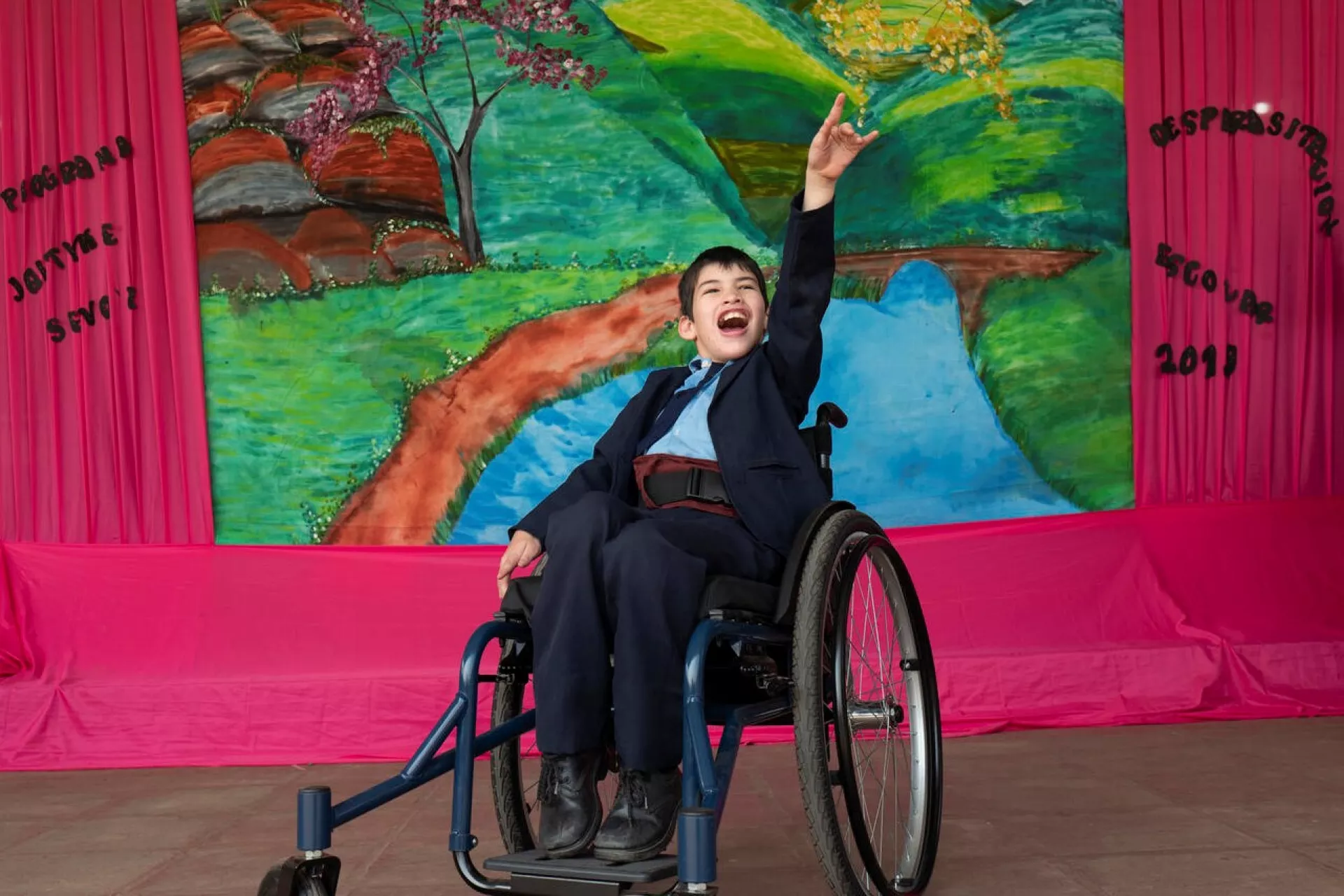
Children with disabilities
Every child has the right to live in an inclusive world.
A physical disability is anything that limits the physical function of the child’s body. Physical disabilities can include challenges with large motor skills like walking, or small motor skills like holding objects and using scissors.
A physical disability is a “limitation on a person’s physical functioning, mobility, dexterity, or stamina.” It has a ‘substantial’ and ‘long-term’ negative effect on a person’s ability to do daily activities. It can be mild or severe. affect a child or young person’s development.
Physical disabilities include cerebral palsy, stroke, spina bifida, arthritis, spinal cord injury, epilepsy, and muscular dystrophy.
five physical disabilities
- Amputations and loss of limbs.
- Arthritis.
- Birth defects.
- Cerebral palsy.
- Cystic fibrosis.
- Epilepsy.
- Neural tube defects.
- Maintaining a healthy weight.
Arthritis—or joint inflammation—is the most common cause of disability among adults residing in the United States. It limits everyday activities for 24 million Americans. People with disabilities can be at greater risk of having arthritis.
A physical disability is a physical condition that affects a person’s mobility, physical capacity, stamina, or dexterity. Examples of physical disability include Multiple Sclerosis, Muscular Dystrophy, Chronic Arthritis, Cerebral Palsy, Chronic Fatigue Syndrome, Fibromyalgia, Spina Bifida and Spinal Cord Injury.
A physical disability is a condition that substantially limits one or more basic physical activities in life (i.e. walking, climbing stairs, reaching, carrying, or lifting). These limitations hinder the person from performing tasks of daily living. Physical disabilities are highly individualized.
For every child, every right (MCAF) believe this:
The Convention on the Rights of Persons with Disabilities (CRPD) was adopted in 2006 in response to the severe human rights violations experienced by people with disabilities worldwide. The CRPD obligates Governments to take concrete measures to promote their full and equal enjoyment of all human rights and fundamental freedoms.
Despite international commitments, children with disabilities remain largely invisible in research and programmers meant to build more equitable, inclusive societies. This invisibility is both a cause and a consequence of their exclusion.
Children with disabilities often work hard to accommodate themselves to an inaccessible world that excludes them. But they are not problems that need to be fixed or changed. Disability is part of the diversity of human experience: Functional limitations manifest in the life cycle of every one of us. The extent to which children with disabilities are able to lead happy lives depends on our own willingness to confront barriers to change.
Comments are closed