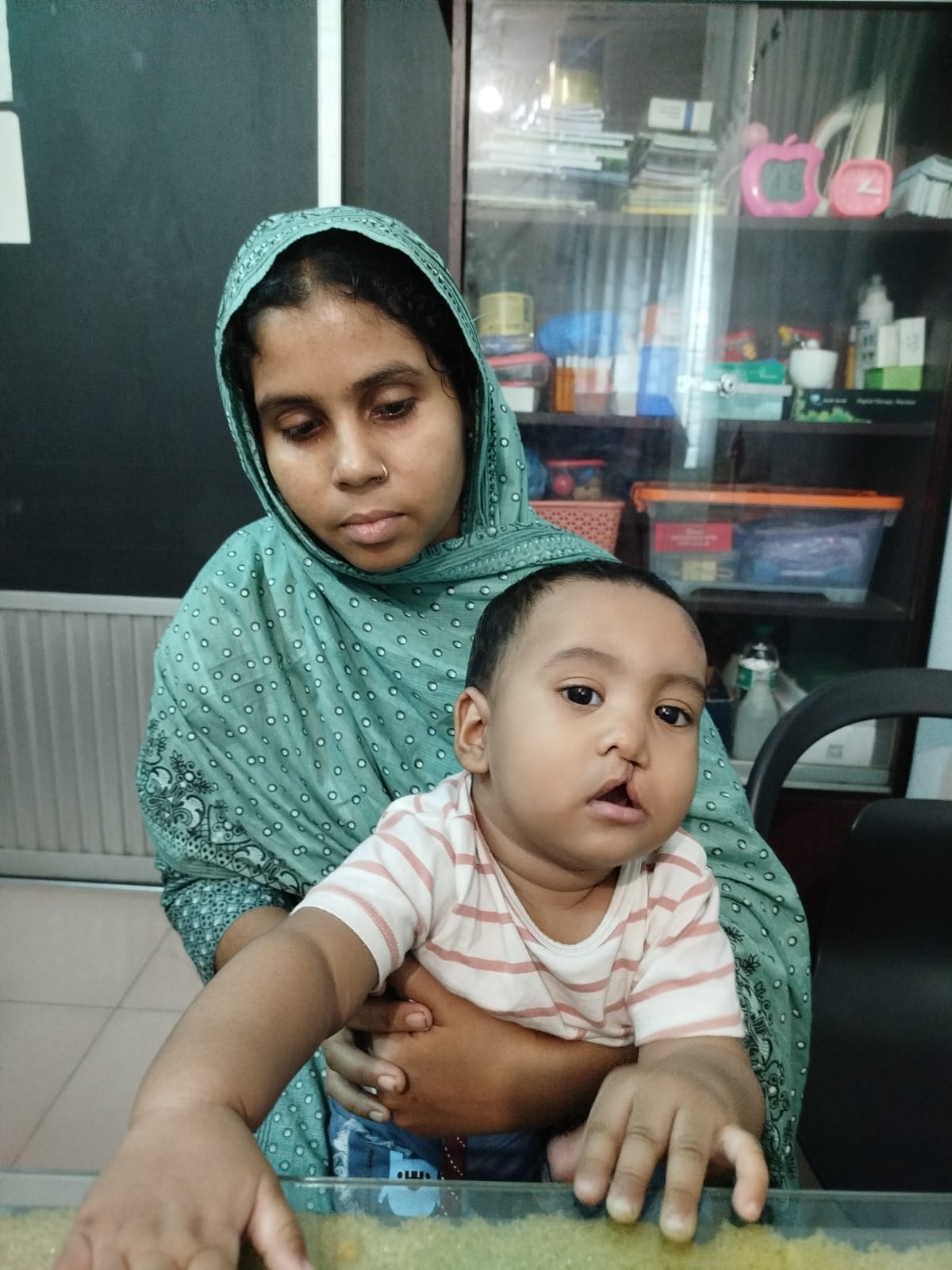
It’s a Non Profit Organaigation & we make Sure to help our underprivillage peaple

Let’s Stay In Touch

Shopping cart

Cleft lip & Palate Medical Research (ACNRC)

MCAF
Fact Question:
  1. What is Cleft?
  2. Causes of a cleft lip and palate
  3. Forms of a cleft lip and palate
  4. Consequences of a cleft lip and palate
  5. Cleft therapy: How is a cleft lip and palate treated?
What is Cleft? Cleft lip and palate is one of the most common congenital malformations. Worldwide, it is estimated that there is an average of one case in 500 to 600 births. In Asia, the numbers are estimated to be slightly higher and in Africa slightly lower. Certain regional risk factors can promote the development of a cleft lip, hard palate and/or soft palate. Cleft lip and palate is initially a collective term and refers to various types of clefts in which the upper lip, upper jaw and/or palate are partially or completely affected by a cleft.
  • Cleft lip: cleft only on the upper lip (English: “cleft lip”)
  • Cleft palate: cleft only on the palate (English: “cleft palate”)
  • Cleft lip and palate: cleft in the upper lip and upper jaw.
However, there is no such thing as an isolated cleft jaw without a cleft lip.
  • Cleft lip and palate: clefts in the upper lip, upper jaw and palate. There is no such thing as a cleft palate without a cleft lip.
Depending on the form and severity, affected children suffer from problems with swallowing, breathing, “docking” to the nipple from birth, and later from growth disorders and problems with speech development. Cleft lip and palate in international usage Cleft is the English word for cleft. Internationally, the English translation for cleft lip and palate (CLP) is “cleft lip and palate”, abbreviated to Cleft. In a medical context, the term is “orofacial clefts of the lip and/or palate”.
  1. Causes of a cleft lip and palate
What causes a cleft lip and palate? The development of the face takes place between the fifth and eleventh week of pregnancy. During this time, the lip, the front part of the jaw and the hard and soft palate are formed. Disturbances during these first weeks of pregnancy can have a possible causal influence on the formation of a cleft. However, there is currently no known single cause for a cleft lip and palate. It is assumed that several factors must come together and is therefore referred to as a multifactorial development. What is certain is that the malformation is due to a hereditary predisposition. Other external factors often come into play before and during pregnancy. These can include environmental and food pollution, unfavorable lifestyle habits (alcohol, nicotine), malnutrition and illnesses in the mother, lack of oxygen at high altitudes and other as yet unknown influences. The development of a cleft lip and palate is favored by a hereditary predisposition. Can the development of a cleft lip and palate be prevented? As described above, the causes of cleft lip and palate are not clear. Accordingly, there is no reliable way to prevent it. The risk of cleft formation can at best be reduced by measures such as additional vitamin supplements, such as folate (vitamin B9), and a healthy lifestyle, which is generally recommended during pregnancy. Unlike in Germany, where prenatal care is standard and maternity protection is regulated by law, women in our  are exposed to many risks without protection. The diet is one-sided and meager, expectant mothers rarely have access to medical care, and they often work hard and under health-damaging conditions until the birth.
  1. Forms of a cleft lip and palate
How can a cleft lip and palate occur? There are more than 100 different types of clefts, which are commonly referred to as “cleft limb clefts.” Differentiations are made based on the location of the cleft and its severity. Cleft sections: Localization of a cleft lip and palate In the case of cleft lip and palate, four cleft sections are distinguished: Cleft lip (C-cleft) and cleft lip and palate (C-cleft) or cleft lip and palate (C-cleft), which occur towards the end of the second month of pregnancy, are the most common and affect more boys than girls. Isolated clefts in the hard and soft palate (G-clefts), which develop at the beginning of the third month of pregnancy, are less common and affect girls slightly more often. A cleft palate can affect both the soft and hard palate or be limited to the soft palate. L: Lip Upper lip including the nasal entrance A: Pine tooth-bearing part of the upper jaw (alveolar process) H: Hard palate Palatal roof with nasal floor (bony part of the palate) S: Soft palate Soft palate (muscular part of the palate) Degrees of severity of a cleft lip and palate In further differentiation, three degrees of severity of a cleft lip and palate are distinguished: Incomplete column The cleft only affects the upper lip and does not extend to the entrance to the nose Full column, one-sided Unilateral splitting of the muscle and/or bone including the covering skin and/or mucous membrane. Full column, double-sided Bilateral splitting of the muscle and/or bone including the covering skin and/or mucous membrane. All clefts, with the exception of the soft palate, can occur on one or both sides. In the case of hidden clefts, the extent of the cleft is often not immediately apparent. Even if the soft palate is closed with mucous membrane, the splitting of the muscles under the mucous membrane leads to a speech development disorder and/or ventilation disorder of the middle ear. Cleft lip and palate, unilateral Cleft palate Full column, one-sided Full column, double-sided Incomplete column
  1. Consequences of a cleft lip and palate
Functional disorders: swallowing, breathing, speaking If there is a cleft palate, there is no separation between the mouth and nose. The interaction of the lip, tongue and palate muscles is disrupted, and the position of the tongue is also altered, shifting backwards into the cleft. This results in serious functional impairments: swallowing and breathing, early sound formation and the sound of the voice are all affected. The fact that food gets into the nose through the open palate is not only unpleasant for those affected, but also associated with great embarrassment. The disturbances in the area of ​​sound formation result in delayed speech development. Hearing deficits caused by chronic middle ear infections can make learning to speak even more difficult. In babies, breathing and feeding problems can be life-threatening. The children are often malnourished and therefore susceptible to infections. There is also an increased risk of developing an abscess in the mouth. In combination with scarring caused by the operations, the functional disorders during the growth period can also lead to impairments in tooth position as well as in the development of the jaw and facial skull. More than just an aesthetic “flaw” A cleft lip is an obvious “blemish” on the face. Depending on the size and severity, the children are more or less disfigured. Because of their “difference” they are ridiculed and excluded, often living a life of social isolation. The children are also stigmatized by their unclear speech and often nasal voice. The psychological stress is considerable for both child and parents. Children who have no access to treatment or who are treated late suffer twice as much.
  1. Cleft therapy: How is a cleft lip and palate treated?
Surgery as a central therapeutic measure Surgery is the main therapeutic measure for a child with cleft lip and palate (CLP). Lip surgery is usually performed in the first three months of life. A cleft palate is closed between the eighth and eleventh month. Further surgical interventions are often necessary later on. Interdisciplinary cleft therapy Due to the large number of findings, comprehensive therapy is important for an optimal outcome. Interdisciplinary cooperation in therapy steps coordinated at the right time is required in order to normalize the impaired functions and thus achieve age-appropriate development of the child. The following specialist disciplines are involved: orthodontics, oral and maxillofacial surgery, pediatrics, ENT/pediatric audiology, speech therapy/phoniatrics, psychology, pediatric dentistry and nutritional advice. Depending on the severity, treatment can last into adulthood. For all types of cleft formation, a routine check-up is recommended at least once a year until development is complete (19 to 21 years).
Cleft lip and palate is one of the most common congenital malformations. Worldwide, it is estimated that there is an average of one case in 500 to 600 births. In Asia, the numbers are estimated to be slightly higher and in Africa slightly lower. Certain regional risk factors can promote the development of a cleft lip, hard palate and/or soft palate. Cleft lip and palate is initially a collective term and refers to various types of clefts in which the upper lip, upper jaw and/or palate are partially or completely affected by a cleft.
  • Cleft lip: cleft only on the upper lip (English: “cleft lip”)
  • Cleft palate: cleft only on the palate (English: “cleft palate”)
  • Cleft lip and palate: cleft in the upper lip and upper jaw.
However, there is no such thing as an isolated cleft jaw without a cleft lip.
  • Cleft lip and palate: clefts in the upper lip, upper jaw and palate. There is no such thing as a cleft palate without a cleft lip.
Depending on the form and severity, affected children suffer from problems with swallowing, breathing, “docking” to the nipple from birth, and later from growth disorders and problems with speech development. Cleft lip and palate in international usage Cleft is the English word for cleft. Internationally, the English translation for cleft lip and palate (CLP) is “cleft lip and palate”, abbreviated to Cleft. In a medical context, the term is “orofacial clefts of the lip and/or palate”.
  1. Causes of a cleft lip and palate
What causes a cleft lip and palate? The development of the face takes place between the fifth and eleventh week of pregnancy. During this time, the lip, the front part of the jaw and the hard and soft palate are formed. Disturbances during these first weeks of pregnancy can have a possible causal influence on the formation of a cleft. However, there is currently no known single cause for a cleft lip and palate. It is assumed that several factors must come together and is therefore referred to as a multifactorial development. What is certain is that the malformation is due to a hereditary predisposition. Other external factors often come into play before and during pregnancy. These can include environmental and food pollution, unfavorable lifestyle habits (alcohol, nicotine), malnutrition and illnesses in the mother, lack of oxygen at high altitudes and other as yet unknown influences. The development of a cleft lip and palate is favored by a hereditary predisposition. Can the development of a cleft lip and palate be prevented? As described above, the causes of cleft lip and palate are not clear. Accordingly, there is no reliable way to prevent it. The risk of cleft formation can at best be reduced by measures such as additional vitamin supplements, such as folate (vitamin B9), and a healthy lifestyle, which is generally recommended during pregnancy. Unlike in Germany, where prenatal care is standard and maternity protection is regulated by law, women in our are exposed to many risks without protection. The diet is one-sided and meager, expectant mothers rarely have access to medical care, and they often work hard and under health-damaging conditions until the birth.
  1. Forms of a cleft lip and palate
How can a cleft lip and palate occur? There are more than 100 different types of clefts, which are commonly referred to as “cleft limb clefts.” Differentiations are made based on the location of the cleft and its severity. Cleft sections: Localization of a cleft lip and palate In the case of cleft lip and palate, four cleft sections are distinguished: Cleft lip (C-cleft) and cleft lip and palate (C-cleft) or cleft lip and palate (C-cleft), which occur towards the end of the second month of pregnancy, are the most common and affect more boys than girls. Isolated clefts in the hard and soft palate (G-clefts), which develop at the beginning of the third month of pregnancy, are less common and affect girls slightly more often. A cleft palate can affect both the soft and hard palate or be limited to the soft palate. L: Lip Upper lip including the nasal entrance A: Pine tooth-bearing part of the upper jaw (alveolar process) H: Hard palate Palatal roof with nasal floor (bony part of the palate) S: Soft palate Soft palate (muscular part of the palate) Degrees of severity of a cleft lip and palate In further differentiation, three degrees of severity of a cleft lip and palate are distinguished: Incomplete column The cleft only affects the upper lip and does not extend to the entrance to the nose. Full column, one-sided Unilateral splitting of the muscle and/or bone including the covering skin and/or mucous membrane. Full column, double-sided Bilateral splitting of the muscle and/or bone including the covering skin and/or mucous membrane. All clefts, with the exception of the soft palate, can occur on one or both sides. In the case of hidden clefts, the extent of the cleft is often not immediately apparent. Even if the soft palate is closed with mucous membrane, the splitting of the muscles under the mucous membrane leads to a speech development disorder and/or ventilation disorder of the middle ear.   Cleft lip and palate, unilateral Cleft palate Full column, one-sided Full column, double-sided Incomplete column
  1. Consequences of a cleft lip and palate
Functional disorders: swallowing, breathing, speaking If there is a cleft palate, there is no separation between the mouth and nose. The interaction of the lip, tongue and palate muscles is disrupted, and the position of the tongue is also altered, shifting backwards into the cleft. This results in serious functional impairments: swallowing and breathing, early sound formation and the sound of the voice are all affected. The fact that food gets into the nose through the open palate is not only unpleasant for those affected, but also associated with great embarrassment. The disturbances in the area of ​​sound formation result in delayed speech development. Hearing deficits caused by chronic middle ear infections can make learning to speak even more difficult. In babies, breathing and feeding problems can be life-threatening. The children are often malnourished and therefore susceptible to infections. There is also an increased risk of developing an abscess in the mouth. In combination with scarring caused by the operations, the functional disorders during the growth period can also lead to impairments in tooth position as well as in the development of the jaw and facial skull. More than just an aesthetic “flaw” A cleft lip is an obvious “blemish” on the face. Depending on the size and severity, the children are more or less disfigured. Because of their “difference” they are ridiculed and excluded, often living a life of social isolation. The children are also stigmatized by their unclear speech and often nasal voice. The psychological stress is considerable for both child and parents. Children who have no access to treatment or who are treated late suffer twice as much.
  1. Cleft therapy: How is a cleft lip and palate treated?
Surgery as a central therapeutic measure Surgery is the main therapeutic measure for a child with cleft lip and palate (CLP). Lip surgery is usually performed in the first three months of life. A cleft palate is closed between the eighth and eleventh month. Further surgical interventions are often necessary later on. Interdisciplinary cleft therapy Due to the large number of findings, comprehensive therapy is important for an optimal outcome. Interdisciplinary cooperation in therapy steps coordinated at the right time is required in order to normalize the impaired functions and thus achieve age-appropriate development of the child. The following specialist disciplines are involved: orthodontics, oral and maxillofacial surgery, pediatrics, ENT/pediatric audiology, speech therapy/phoniatrics, psychology, pediatric dentistry and nutritional advice. Depending on the severity, treatment can last into adulthood. For all types of cleft formation, a routine check-up is recommended at least once a year until development is complete (19 to 21 years). MAYO Clinic & Aradhya Foundationis a cooperation of international and Bangladeshi NGOs and surgeons initiated in 1st July 2024. Our goal is to provide free comprehensive treatment to all Bangladeshis with cleft lip and palate, a common birth defect. We perform surgeries at hospitals and on surgical missions throughout the country, with the goal to eventually build up an interdisciplinary comprehensive cleft care infrastructure. You can arrange treatment with us with a simple phone call. What we offer MAYO Clinic & Aradhya Foundation with its experienced surgeons offers many treatments, from first consultation to aftercare checks. After each treatment, follow-up care is provided. Additionally, our cleft centres will keep contacting to give you reminder of the next treatment. Also, counseling and feeding instructions are made available by the cleft team(s) in every single centre. Costs for treatment and transportation are covered by Mayo Clinic & Aradhya Foundation (We are Middle Party) A goal of MAYO Clinic & Aradhya Foundationis to develop interdisciplinary cleft centres to offer all kinds of comprehensive care. Until then, our surgeons travel through the country on surgical missions to treat patients that cannot travel to Dhaka. You can call MAYO Clinic & Aradhya Foundation +880 1772002865
logo(acnrc)

Comments are closed