



Articulation therapy teaches individuals how to produce speech sounds correctly. Articulation therapy is different to phonological therapy, the speech and language therapist is not attempting to teach the rules of the sound system, but helping the individual to learn how to articulate the speech sound correctly. (ACNRC)
Articulation therapy is a type of speech therapy that helps people learn how to correctly produce speech sounds. It can be beneficial for children who have difficulty pronouncing certain sounds, such as “s”, “z”, “sh”, “ch”, “j”, “th”, or “r”.
What are the techniques of articulation therapy?
Traditional articulation therapy involves isolating the sound and slowly adding it to the beginning, end, and middle of a word. During therapy, children progress from making sounds, to adding syllables, saying complete words, and finally engaging in natural conversation
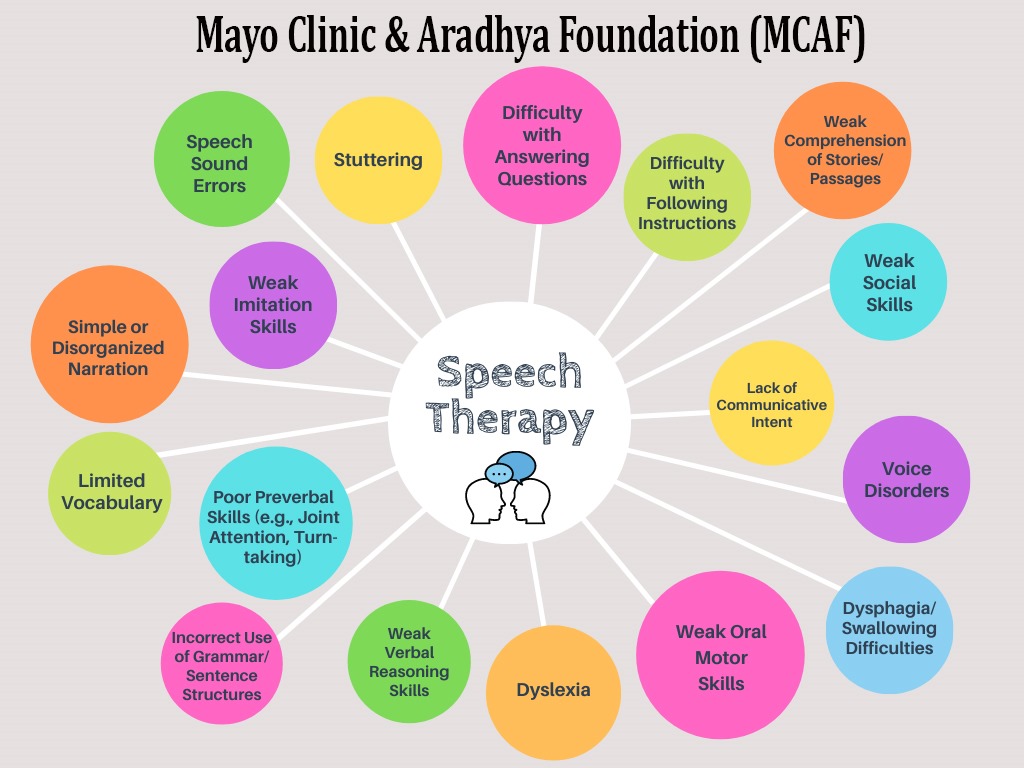 Articulation therapy is a type of speech therapy that helps children learn to properly pronounce the sounds in words. Articulation disorders are different from phonological disorders (i.e., assimilation speech therapy, fronting, etc.). But they often fall under the umbrella term “speech sound disorder”
There are four types of articulation disorders, referred to as SODA. These are Substitution, Omission, Distortion, and Addition. Any of these could be signs that a child has an articulation disorder. Substitution, which is the most common type, occurs when the speaker replaces one sound in a word with another.
Articulations may be divided into two main types, primary and secondary. Primary articulation refers to either (1) the place and manner in which the stricture is made for a consonant or (2) the tongue contour, lip shape, and height of the larynx used to produce a vowel.
In English, there are ten places of articulation for consonants: bilabial, labiodental, dental, alveolar, post-alveolar, palato-alveolar, palatal, velar, glottal, and retroflex.
Place of articulation, or point of articulation, is about the points of contact between the articulators and the vocal tract. There are eight places of articulation: bilabial, labiodental, dental, alveolar, post-alveolar, palatal, glottal, and velar.
Articulation therapy is a type of speech therapy that helps children learn to properly pronounce the sounds in words. Articulation disorders are different from phonological disorders (i.e., assimilation speech therapy, fronting, etc.). But they often fall under the umbrella term “speech sound disorder”
There are four types of articulation disorders, referred to as SODA. These are Substitution, Omission, Distortion, and Addition. Any of these could be signs that a child has an articulation disorder. Substitution, which is the most common type, occurs when the speaker replaces one sound in a word with another.
Articulations may be divided into two main types, primary and secondary. Primary articulation refers to either (1) the place and manner in which the stricture is made for a consonant or (2) the tongue contour, lip shape, and height of the larynx used to produce a vowel.
In English, there are ten places of articulation for consonants: bilabial, labiodental, dental, alveolar, post-alveolar, palato-alveolar, palatal, velar, glottal, and retroflex.
Place of articulation, or point of articulation, is about the points of contact between the articulators and the vocal tract. There are eight places of articulation: bilabial, labiodental, dental, alveolar, post-alveolar, palatal, glottal, and velar.
Articulation therapy is a type of speech therapy that helps children learn to properly pronounce the sounds in words. Articulation disorders are different from phonological disorders (i.e., assimilation speech therapy, fronting, etc.). But they often fall under the umbrella term “speech sound disorder”
There are four types of articulation disorders, referred to as SODA. These are Substitution, Omission, Distortion, and Addition. Any of these could be signs that a child has an articulation disorder. Substitution, which is the most common type, occurs when the speaker replaces one sound in a word with another.
Articulations may be divided into two main types, primary and secondary. Primary articulation refers to either (1) the place and manner in which the stricture is made for a consonant or (2) the tongue contour, lip shape, and height of the larynx used to produce a vowel.
In English, there are ten places of articulation for consonants: bilabial, labiodental, dental, alveolar, post-alveolar, palato-alveolar, palatal, velar, glottal, and retroflex.
Place of articulation, or point of articulation, is about the points of contact between the articulators and the vocal tract. There are eight places of articulation: bilabial, labiodental, dental, alveolar, post-alveolar, palatal, glottal, and velar. 
Comments are closed