


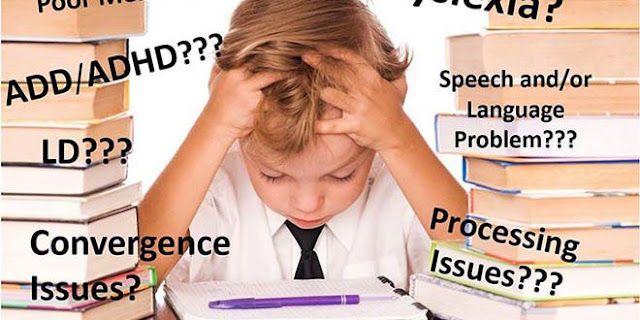
Learning disability, learning disorder, or learning difficulty is a condition in the brain that causes difficulties comprehending or processing information and can be caused by several different factors. (ACNRC)
psychology professionals should study these seven learning disabilities:
- Dyslexia. …
- Dysgraphia. …
- Dyscalculia. …
- Auditory processing disorder. …
- Language processing disorder. …
- Nonverbal learning disabilities. …
- Visual perceptual/visual motor deficit.
The Learning Disabilities Association of America and many other mental health practitioners regard the seven disorders as specific learning disabilities i.e. dyslexia, dysgraphia, dyscalculia, auditory processing disorder, language processing disorder, nonverbal learning disabilities.
What are learning disabilities?
Learning disabilities are a group of neurodevelopmental disorders that can significantly hamper a person’s ability to learn new things. As a result, the person may have trouble with tasks such as speaking, reading, writing, paying attention, understanding information, remembering things, performing mathematical calculations, or coordinating movements.
Symptoms of Learning Disabilities
These are some of the symptoms of learning disabilities:
- Poor memory
- Difficulty focusing
- Short attention span
- Difficulty with reading or writing
- Inability to distinguish between sounds, letters, or numbers
- Difficulty sounding out words
- Tendency to put numbers or letters in the wrong sequence
- Difficulty telling time
- Confusion between right and left
- Tendency to reverse letters
- Difficulty grasping certain words and concepts
- Disconnect between words and meaning (i.e.. saying one thing but meaning another)
- Difficulty expressing thoughts and emotions
- Poor hand-eye coordination
- Delayed speech development
- Disorganization
- Trouble with listening and following instructions
- Inappropriate responses
- Restlessness and impulsiveness
- Difficulty with discipline
- Resistance to change
- Inconsistent performance on a daily or weekly basis
Causes of Learning Disabilities:
Learning disabilities are caused by differences in the neurological functioning of the person’s brain.2
National Institute for Learning Development. What is a learning disability?
These differences can occur before the person is born, during their birth, or in early childhood, and may be caused by factors such as:
- Maternal illness during pregnancy
- Birth complications that block the flow of oxygen to the baby’s brain
- Certain genes that can make the person more genetically predisposed to developing a learning disability
- Injury or illness, such as meningitis, in early childhood
- Health conditions such as cerebral palsy and Down’s syndrome often involve some extent of learning disability
Diagnosing Learning Disabilities
A healthcare professional can diagnose learning disabilities. The diagnostic process might involve:
- Academic testing: The healthcare provider may administer a standardized achievement test that checks the person’s reading, writing, and arithmetic skills, as well as an intelligence quotient (IQ) test. If the person performs well on the IQ test but has a lower score on the achievement test, it could indicate that they have a learning disability.
- Performance review: The healthcare provider may review and evaluate the person’s academic, professional, social, and developmental performance.
- Medical history: The healthcare provider will likely ask questions about the person’s personal and family medical history.
- Physical and neurological exam: The healthcare provider may conduct a physical and neurological exam to check for other health conditions such as brain diseases, mental health conditions, and developmental and intellectual disabilities.
Every learning disability has different symptoms, and everyone’s experience of the condition is unique. The signs, frequency, and intensity of symptoms can vary considerably. Some people may have a single, isolated learning difficulty that doesn’t cause issues in day-to-day life; others have overlapping learning disabilities that make it difficult for them to function without support.
Learning disabilities typically develop at a young age and are often diagnosed during the person’s school years, since the primary focus at school is learning. An estimated 8% to 10% of American children younger than 18 have learning disabilities.
However, some people are not diagnosed with learning disabilities until they attend college or get a job; others never receive an official diagnosis, so they go through life without knowing why they have trouble with academics, work, relationships, or day-to-day tasks.
Treating Learning Disabilities
Learning disabilities are lifelong conditions that cannot be fixed or cured; however, with timely diagnosis, treatment, and support, people with learning disabilities can be successful at school, work, and among their community.
A note from Aradhya Clinic & Neuro Research Center (ACNRC).
Treatment for learning disabilities may involve:
- Special education: Children with learning disabilities may benefit from education by specially trained teachers who perform a comprehensive evaluation of the child’s abilities and then help the child build on their strengths while compensating for their disabilities.
- Medication: Some people may need to take medication to improve their ability to focus and concentrate.
- Therapy: Psychotherapy can help people with learning disabilities deal with emotional issues and develop coping skills.
Comments are closed